Need Help?
Office No. 35A, Amanora Chambers, Amanora Town Centre, Hadapsar, Pune, Maharashtra
Open in Maps pgagrisolutions@gmail.com +91 79766 87037Top Plant Growth Regulator Manufacturers in Pune (PGR) - Pure Grow Agri Solution
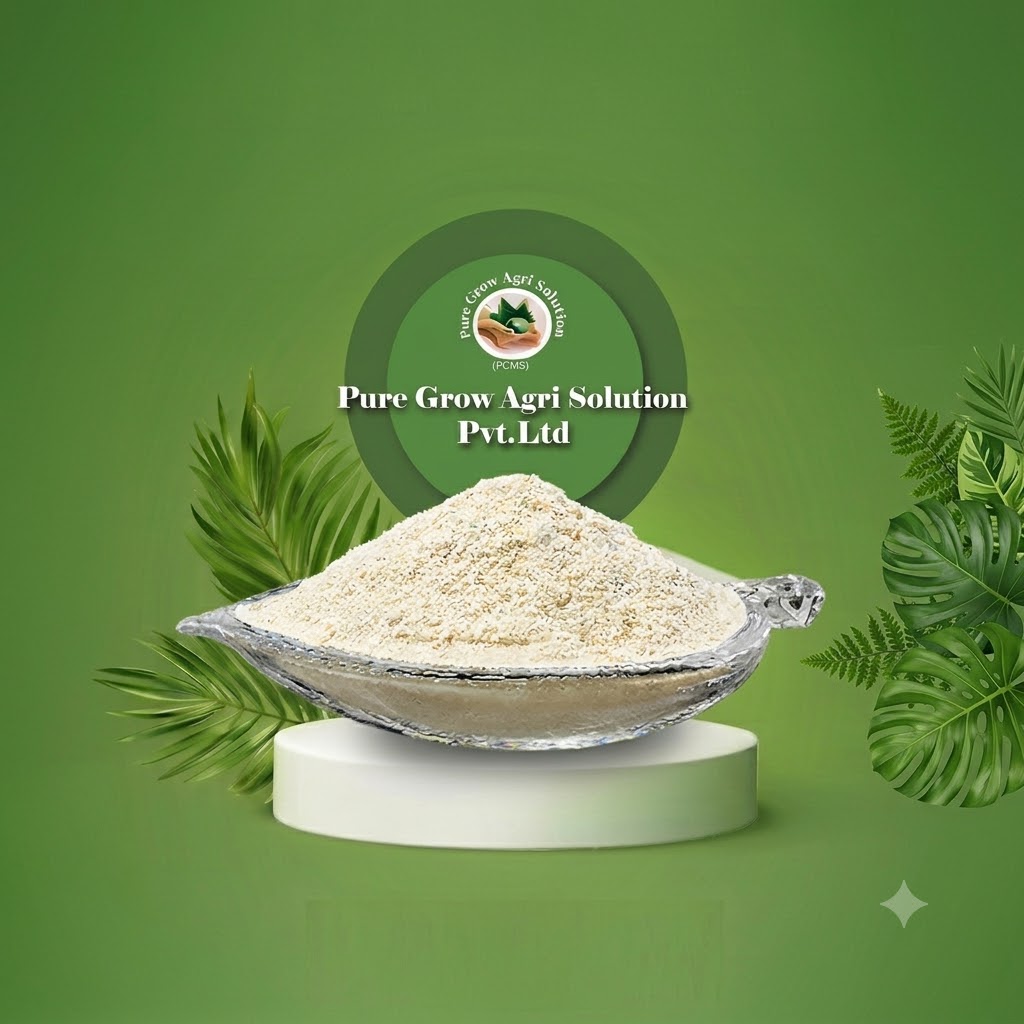


Pure Grow Agri Solutions Pvt. Ltd. is leading Plant Growth Regulator (PGR) Manufacturers, Suppliers, Dealers, Traders and Exporters in Pune. We specialize in providing innovative agricultural solutions, backed by over 10 years of industry experience in crop nutrition and specialized fertilizer formulations.
We cater to the needs of farmers, agricultural input dealers, distributors and bulk buyers with an extensive range of products, including Potassium Humate, Humic Acid, Fulvic Acid, Amino Acid, Seaweed Extracts, Potassium Fulvate, Organic Carbon and specialized liquid and granular formulations.
As experienced plant growth promoter and agricultural fertilizer suppliers, we are committed to delivering quality-focused products, reliable customer support and effective crop nutrition solutions that meet evolving agricultural requirements and contribute to sustainable farming practices.
What is a plant growth regulator?
A plant growth regulator, or PGR, is a substance that changes how a plant grows and develops. It does this by acting like the plant's own hormones, or by shifting how those hormones behave. Hormones are the plant's internal messengers: they tell roots when to branch, buds when to open, seeds when to wake up and fruit when to ripen.
In everyday farming the term covers a wider set of products. A grower asking for a PGR for plants often means a plant growth promoter, a natural product based on humic acid, seaweed or amino acids that supports the plant's own processes. These are not synthetic hormones, and they do not replace fertilizers. Both kinds are explained below so you can see how they differ.
Types of Plant Growth Regulators
As Plant Growth Regulator (PGR) Manufacturers, Suppliers, Dealers, Traders and Exporters in Pune, we help agricultural businesses understand different plant growth regulator categories and explore suitable crop growth support products.
Plant growth regulators come from two sources: natural plant hormones (called phytohormones) and man-made chemicals that copy or influence them. Scientists group them into five classical families, plus a handful of newer ones.
The five groups:
| Group | What it does | Examples | Role in the field |
|---|---|---|---|
| Auxins (promoters) | Drive cell elongation, root formation and apical dominance, and help hold fruit and leaves on the plant | Indole-3-acetic acid (natural), NAA and other synthetic auxins | Rooting of cuttings, reducing premature drop |
| Gibberellins (promoters) | Lengthen stems, break seed and bud dormancy, trigger germination and flowering, and help form seedless fruit | Gibberellic acid (GA3) | Germination, fruit size, flowering control |
| Cytokinins (promoters) | Stimulate cell division, push lateral buds, support chlorophyll and delay leaf ageing | Kinetin and zeatin (natural), synthetic cytokinins | Branching, keeping leaves green longer |
| Abscisic acid (inhibitor) | The plant's stress hormone: closes leaf pores to save water and promotes dormancy | Abscisic acid (ABA) | Drought response, seed and bud dormancy |
| Ethylene (promoter and inhibitor) | A gas hormone that controls fruit ripening, leaf and fruit drop and ageing | Ethylene (natural), ethephon (synthetic) | Ripening and abscission |
Newer and specialised hormone classes:
- Brassinosteroids support cell division, stem growth and tolerance to stress.
- Strigolactones shape root architecture and shoot branching, and help the plant communicate with soil microbes.
- Jasmonates and salicylic acid drive the plant's defence response to pests, disease and physical or environmental stress.
- Polyamines, nitric oxide and karrikins play supporting roles in tissue development, stress signalling and germination.
Promoters, inhibitors and dual-action regulators
Another way to sort PGRs is by direction. Auxins, gibberellins and cytokinins mainly promote growth. Abscisic acid mainly holds growth back so the plant can survive stress. Ethylene works both ways depending on the stage and the tissue. Growers also use growth retardants to keep tall crops compact, which is a separate use with its own rules.
A note on use: hormone-type regulators are powerful, and they need accurate dosing, correct timing and the right registration. They should only be used as directed on a registered label and with advice from an agronomist.
Our Plant Growth Promoter and Biostimulant Product Range
Pure Grow's range belongs to the plant growth promoter and biostimulant side of the field. We do not sell these products as synthetic hormones. They support the plant's own growth systems through nutrition, soil health and natural compounds:
| Our products | How they support growth |
|---|---|
| Seaweed (green and black, powder, flakes, liquid) | Seaweed carries small amounts of natural growth-active compounds. It is used to support rooting, shoot growth and recovery from stress, in the same areas where auxins and cytokinins act. |
| Humic range (potassium humate, humic granules) | Helps roots take up nutrients and improves soil structure. Research also links humic substances with better root growth. |
| Fulvic range (fulvic acid, potassium fulvate) | Small molecules that move into the plant quickly, helping carry nutrients, especially micronutrients. |
| Amino acid range | Ready building blocks that save the plant energy, especially during flowering, fruit set and stress. |
| Organic carbon | Feeds soil life and improves structure for healthier roots. |
How plant growth regulators work in plants?
Plants run on signals. A hormone is released in one part, travels to another and switches a response on or off. Classical PGRs work by adding to or changing those signals. Growth promoters like ours work alongside the signals instead of overriding them. They make nutrients easier to take up, give the plant ready materials and improve the soil around the roots, so the plant's natural signalling can do its job properly.
That is why these products work best when they sit on top of a sound fertilizer program rather than in place of one.
Role of plant growth regulators in agriculture
As Plant Growth Regulator (PGR) Suppliers, Manufacturers, Dealers, Traders and Exporters in Pune, we provide a diverse range of agricultural products designed to complement crop nutrition and support informed crop management practices.
Inputs are costly and weather is unreliable. Plant growth regulators in agriculture help growers get steadier results from what they already spend.
- Support for Early Plant Development: Appropriate crop management inputs help establish healthy roots and vigorous seedlings, depending on the product and growing conditions.
- Improved Nutrient Management: When used appropriately, compatible crop nutrition products can complement NPK fertilizers and micronutrients within a balanced nutrient management programme.
- Support During Environmental Stress: Certain formulations may help plants manage specific stress conditions, depending on their composition and intended use.
- Flowering and Fruit Development: Crop-specific plant growth regulators can influence flowering, fruit set and fruit development when applied according to approved recommendations.
- Soil and Root Zone Management: Humic substances and organic carbon products can complement soil management practices that support soil quality and nutrient management.
- Flexible Application Options: Depending on the formulation, agricultural products may be available as liquids, powders, flakes or granules for their intended application methods.
Benefits of plant growth regulators in agriculture
As Plant Growth Regulator (PGR) Dealers, Suppliers, Manufacturers, Traders and Exporters in Pune, we offer products that help agricultural businesses explore suitable solutions for plant development, nutrient management and crop-specific requirements.
- Root Growth and Development: Suitable products and balanced soil nutrition can support root establishment and help plants access available water and nutrients.
- Flowering and Fruit Set Management: Certain plant growth regulators can influence flowering and fruit set in crops for which their use is appropriate.
- Fruit Growth and Development: Crop-specific formulations may help regulate fruit development and ripening, depending on the active ingredient and application stage.
- Crop Growth and Yield Potential: Appropriate growth management, combined with balanced nutrition and good agricultural practices, can help crops achieve their production potential.
- Plant Recovery and Stress Management: Selected crop nutrition and biostimulant products may support plant performance under particular stress conditions, depending on their formulation.
- Efficient Agricultural Input Management: Integrating suitable products into a well-planned crop management programme can help growers make informed decisions about input use and overall production costs.
Our PGR range:
As Plant Growth Regulator (PGR) Traders, Dealers, Suppliers, Manufacturers and Exporters in Pune, we present a comprehensive range of humic, fulvic acid, amino acid, seaweed and organic carbon products in different formulations.
| Group | Products | Form |
|---|---|---|
| Humic range | Potassium Humate Crystal, Flakes, Powder | Crystal, flakes, powder |
| Humic granules | Humic Bentonite Granules (Coated and Non-Coated), Humic Granules (Non-Coated), Humic Shiny Ball | Granules, balls |
| Fulvic range | Fulvic Acid 80%, Potassium Fulvate | Powder |
| Amino acid range | Amino Acid 80% and 50% (Soya Protein Base), Amino 60% Liquid (Medium Thick and Isabian Honey Thick) | Powder, liquid |
| Seaweed range | Green Seaweed Powder, Black Seaweed Powder, Black Seaweed Flakes, Green Seaweed (Liquid) | Powder, flakes, liquid |
| Organic carbon and combination | Organic Carbon (Soil), Organic Carbon 100% Soluble, Humic + Amino + Fulvic + Seaweed (Liquid) | Granular, soluble, liquid |
Humic range
- Potassium Humate Crystal. A shiny, fully soluble form of humic acid with potassium. It dissolves cleanly, so it is a popular pick for drip and fertigation where residue can block emitters. It supports root development and nutrient uptake.
- Potassium Humate Flakes. The same humic benefits in flake form, easy to handle and quick to dissolve in a tank. A practical choice for dealers and blenders who serve both soil and spray customers.
- Potassium Humate Powder. A fine powder for soil application, blending and foliar use. It improves soil structure and helps roots take up nutrients.
Humic granules
- Humic Bentonite Granules (Coated and Non-Coated). Humic acid carried on bentonite clay, which also acts as a soil conditioner. The coated grade is easier to handle and spread, and the non-coated grade is a simple, economical option. Both go on as a basal dose.
- Humic Granules (Non-Coated). A straight granular humic product for broadcast and basal use, for growers who want soil building without spraying.
- Humic Shiny Ball. Smooth, round granules that spread evenly and look uniform in the pack, useful for retail packs and growers who like a clean, even product.
Fulvic range
- Fulvic Acid 80%. A concentrated, small-molecule acid that plants absorb readily, so it suits foliar spray and drip. It helps move nutrients, especially micronutrients, into the plant.
- Potassium Fulvate. Fulvic acid with potassium, soluble and quick-acting, for spray and fertigation where a fast, clean input is needed.
Amino acid range
- Amino Acid 80% (Soya Protein Base). A high-strength powder made from soya protein, used as a spray or in drip. Amino acids give the plant building blocks during flowering, fruit set and stress.
- Amino Acid 50% (Soya Protein Base). A more economical strength of the same soya-based product, good for routine spraying and blending.
- Amino 60% Liquid (Medium Thick). A ready liquid with a medium consistency that pours easily and mixes quickly.
- Amino 60% Liquid (Isabian Honey Thick). A thicker, honey-like liquid of the same 60% strength, for buyers who prefer a denser feel in the can.
Seaweed range
- Green Seaweed Powder. A seaweed powder that supports rooting, shoot growth and recovery from stress. It dissolves for spray or fertigation.
- Black Seaweed Powder. A dark seaweed powder often chosen for fruit, vegetable and plantation crops, used as a spray or in drip.
- Black Seaweed Flakes. The flake form of black seaweed, easy to dissolve and convenient for bulk buyers and blenders.
- Green Seaweed (Liquid). A ready liquid seaweed for quick foliar application when time is short and no mixing is wanted.
Organic carbon and combination products
- Organic Carbon (Soil). A soil-applied carbon source that feeds soil microbes and improves structure, building long-term soil health.
- Organic Carbon 100% Soluble. A fully soluble carbon product that runs through drip and fertigation, delivering carbon to the root zone directly.
- Humic + Amino + Fulvic + Seaweed (Liquid). Four growth-supporting ingredients in one liquid. It works as a liquid organic growth booster for growers who want broad cover in a single pass, with fewer products to buy and mix.
Best Plant Growth Regulator Products for Different Crop Growth Stages
As Plant Growth Regulator (PGR) Exporters, Traders, Dealers, Suppliers and Manufacturers in Pune, we help buyers explore product options according to crop development stages, intended applications and product-specific recommendations.
| Your goal | Products to consider | Best time |
|---|---|---|
| Plant growth regulator for root growth | Potassium Humate, Humic Granules, Organic Carbon, Green Seaweed | Sowing, transplanting and early growth |
| Plant growth regulator for flowering | Amino Acid, Black Seaweed, Fulvic Acid | Before and during bud and flower stages |
| Plant growth regulator for fruit development | Amino Acid, Potassium Fulvate, Black Seaweed | After fruit set and through fruit filling |
| Plant growth regulator for crop yield | Humic + Amino + Fulvic + Seaweed, Potassium Humate | Across the crop cycle, alongside fertilizer rounds |
| Plant growth regulator for flowering and fruiting | Amino Acid and Seaweed together | Early bud to fruit fill |
| Plant growth regulator for better crop growth | Humic or Fulvic range with Organic Carbon | Early to mid growth |
How to choose the best PGR for your crop?
There is no single best plant growth regulator for crops. The right choice depends on crop, soil, stage and method.
- Match the form to the method. Crystals, soluble powders and liquids suit drip and spray. Granules suit basal and broadcast use.
- Match the product to the stage. Humic and organic carbon build roots early. Amino acid and seaweed support flowering and fruit.
- Think about the soil. Sandy, low-organic soils gain the most from humic and organic carbon inputs.
- Keep it simple. If you want one product to cover several jobs, the combination liquid saves time and tank space.
Not sure? Send us the crop, stage and area, and we will suggest a plan.
How to use plant growth regulators in farming?
This is a general guide to plant growth regulator spray, solution and dosage. Always follow the label and technical sheet of the product you buy.
| Product type | Foliar spray (per litre of water) | Soil or drip (per acre) |
|---|---|---|
| Potassium Humate (crystal, flakes, powder) | 1 to 2 g | 1 to 2 kg |
| Fulvic Acid 80% / Potassium Fulvate | 0.5 to 1 g | 250 to 500 g |
| Amino Acid 80% or 50% | 0.5 to 1.5 g | 500 g to 1 kg |
| Amino 60% Liquid | 1 to 2 ml | 500 ml to 1 litre |
| Seaweed (powder or flakes) | 1 to 2 g | 500 g to 1 kg |
| Green Seaweed (Liquid) | 2 to 3 ml | 500 ml to 1 litre |
| Humic Granules, Bentonite Granules, Shiny Ball | Not for spray | Basal, as per recommendation |
These ranges are indicative starting points. Dose depends on crop, soil and stage, so check with our agronomist before applying.
Good habits for a plant growth regulator solution:
- Dissolve powders and flakes in a little water first, then top up the tank.
- Spray in the early morning or late afternoon, never in strong midday sun.
- Do a small jar test before mixing with other products.
- Do not exceed the recommended dose. Plant growth regulator effectiveness depends on correct dose and timing, and more is not better.
Plant Growth Regulator Formulation and Technology
Plant growth regulator formulation and technology influence product composition, stability and application suitability. At PureGrow, we offer different agricultural product formulations to meet varied crop nutrition and commercial requirements.
- Diverse Formulations: We offer powders, flakes, crystals, granules and liquid products for different agricultural applications.
- Product Composition: Understanding the ingredients and concentration helps buyers select suitable formulations for their intended use.
- Application Suitability: Product selection depends on the crop, application method and recommended usage instructions.
- Informed Product Selection: We encourage buyers to review product specifications and technical documentation before choosing a formulation.
Plant Growth Regulator for Improving Crop Yield
Selecting a plant growth regulator for improving crop yield requires consideration of crop requirements, growth stages and appropriate agricultural practices. Our specialty crop nutrition range complements balanced crop management programmes.
- Crop-Specific Selection: Choose products according to the crop, growth stage and intended agricultural objective.
- Balanced Crop Nutrition: Combine suitable products with appropriate NPK fertilizers and micronutrients according to crop requirements.
- Root and Soil Management: Humic substances and organic carbon products can complement suitable soil management practices.
- Flowering and Fruit Development: Appropriate crop nutrition and crop-specific growth regulators can support relevant developmental processes when used correctly.
- Responsible Application: Follow product-specific dosage, timing and application instructions to support effective product use.
- Realistic Yield Expectations: Crop yield depends on several factors, including weather, irrigation, soil fertility and crop management; no product guarantees increased production.
Using PGR with NPK and micronutrients
Growth promoters do not replace the main nutrients. They help the crop use them. A sound program pairs macronutrient (NPK) fertilizers, such as our water-soluble grades, with a PGR product at the right stage, and adds micronutrients like zinc, iron and boron where a test shows a shortage. Our micronutrient range sits alongside these products.
Who we supply, and where
Plant growth regulator for commercial farming is a large part of our business. We supply:
- Farmers and farmer groups
- Agri-input dealers and retailers
- Traders and wholesalers
- Distributors and fertilizer blenders
- Exporters and importers
Our base is Pune, and we dispatch across Maharashtra, including Pune district, Nashik, Ahmednagar, Solapur, Satara, Sangli and Kolhapur, and onward to Gujarat, Karnataka, Rajasthan and the rest of India. Export enquiries are welcome.
How ordering works?
- Share your need. Tell us the crop, area and stage, or simply the product and quantity.
- Receive a quote. We reply with the right product, pack sizes and price.
- Confirm and dispatch. After confirmation we arrange road dispatch within India or documentation for export.
- Get support. Questions on dose, timing or mixing are answered by our team.
Why Choose Us?
- Diverse Agricultural Product Range: We offer humic acid, amino acids, fulvic acid, seaweed extracts and organic carbon products for varied agricultural requirements.
- Multiple Product Formulations: We provide a range of powders, flakes, crystals, granules and liquid formulations to meet different product preferences.
- Solutions for Bulk Buyers: We welcome enquiries from dealers, distributors, traders and wholesalers seeking agricultural products for their business needs.
- Customer-Focused Assistance: We help customers explore product specifications and available options to make informed purchasing decisions based on their requirements.
Choose Pure Grow Agri Solutions Pvt. Ltd. is well-known Plant Growth Regulator (PGR) Manufacturers, Suppliers, Dealers, Traders and Exporters in Pune. We strive to support evolving agricultural needs through a comprehensive range of specialty crop nutrition products, including humic acid, amino acids, fulvic acid, seaweed extracts and organic carbon formulations. We work to serve farmers, dealers, distributors and bulk buyers with product options suited to diverse agricultural requirements. Connect with our team to explore our portfolio and discuss your specific product and business needs.
Frequently asked questions
A plant growth regulator is a substance that influences how a plant grows, usually by acting like or affecting its natural hormones. In everyday farming the term is also used for plant growth promoters made from humic acid, seaweed and amino acids.
There are five classical groups: auxins, gibberellins, cytokinins, abscisic acid and ethylene. Newer classes include brassinosteroids, strigolactones, jasmonates, salicylic acid and polyamines.
Gibberellins are best known for breaking seed and bud dormancy and triggering germination. Abscisic acid does the opposite and keeps seeds dormant.
Auxins support root formation and cell elongation, and cytokinins stimulate cell division and branching and delay leaf ageing. Together they balance root and shoot growth.
Strictly, they are plant growth promoters or biostimulants rather than hormone-type regulators. In the trade they are widely called PGRs. They support the plant's own growth and do not replace fertilizers.
They support or change the plant's natural signals. Humic and fulvic acids help roots take up nutrients, seaweed carries natural growth-active compounds, and amino acids supply building blocks during flowering and stress.
There is no single best one. Choose by crop, soil, stage and method. Humic products and organic carbon suit early root growth, and amino acid and seaweed suit flowering and fruit.
Potassium humate, humic granules, organic carbon and green seaweed are commonly used at sowing, transplanting and early growth.
Amino acid, black seaweed and fulvic products are commonly used around bud, flower and fruit-fill stages.
Dissolve the product in a little water, top up the tank, spray in the early morning or late afternoon, follow the label dose and do a jar test before mixing with other products.
It depends on the product, crop and stage. The table on this page gives indicative ranges, and our team can confirm the exact dose for your case.
Not exactly. A liquid bio fertilizer usually contains living microbes, while our liquid products, such as the humic, amino, fulvic and seaweed liquid, are organic growth boosters made from natural extracts. Both support crops, but they work differently.
Yes. Growth promoters are meant to work alongside macronutrient (NPK) fertilizers and help the crop use them better.
Yes. Send us the product, quantity and destination, and we will quote with packing and documentation details.
Humic acid is a larger molecule that mainly improves soil and root conditions over time. Fulvic acid is smaller and moves quickly into the plant, so it suits foliar and drip use.